For a long time, creator marketing was tied to consumer products, lifestyle, and e-commerce. The logic seemed simple: a creator recommended a product, the audience clicked, and some people bought.
That logic changes completely with B2B SaaS. Software buyers rarely decide on impulse. Multiple stakeholders, long sales cycles, demos, evaluation periods, and technical validation are involved.
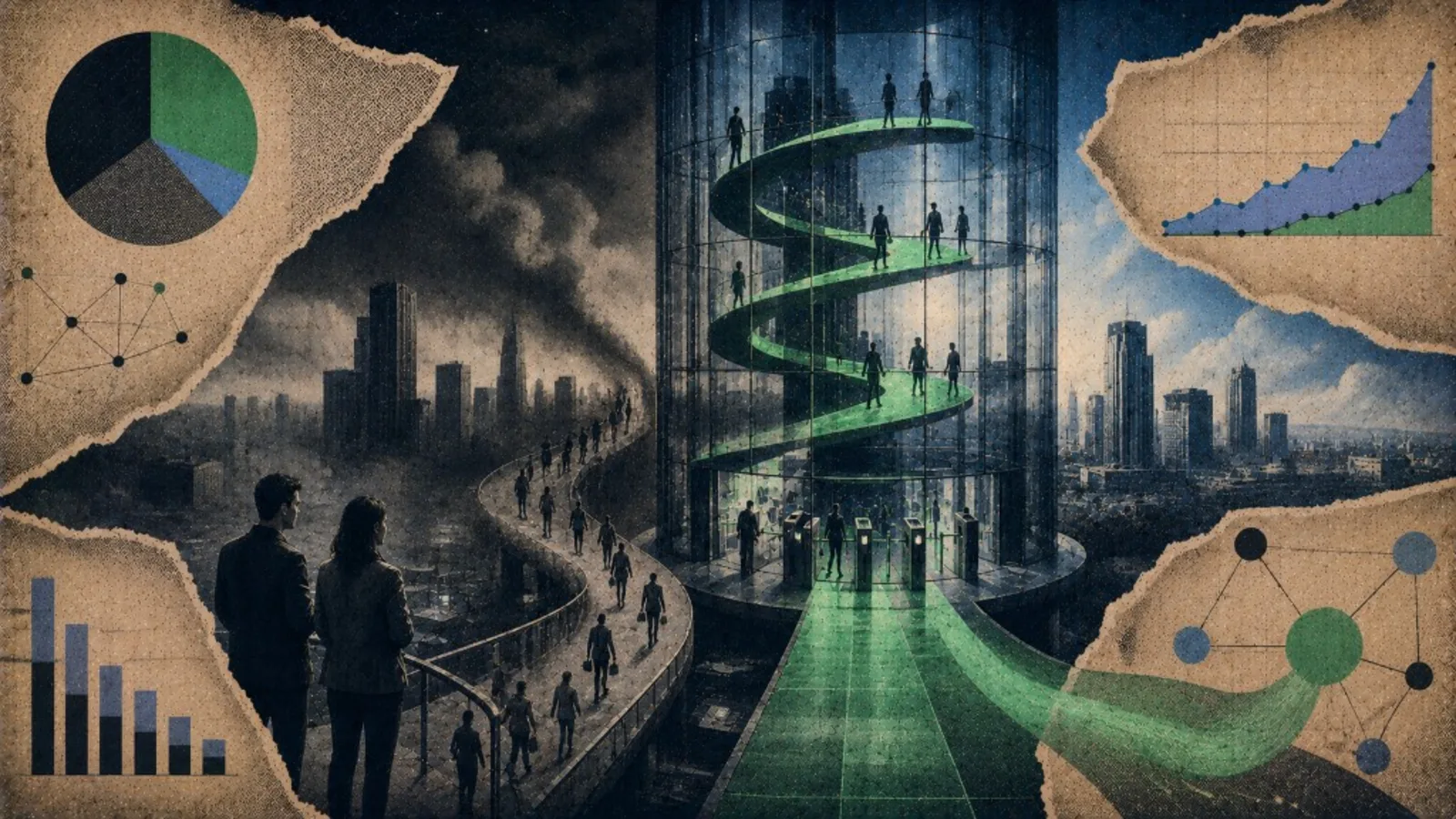
Here, creators are not meant to drive immediate purchases. They reduce uncertainty, educate prospects, and accelerate decisions across the commercial funnel.
That is why creator marketing can be one of the most interesting channels for SaaS companies—when measured with the right metrics.
At a glance
- B2B SaaS needs a different approach from traditional creator marketing.
- The goal is rarely immediate sales but qualified interest.
- Specialized creators usually deliver more value than generalists.
- Success is measured by pipeline impact—not clicks alone.
- Creator marketing works best integrated with marketing, sales, and CRM.
Why SaaS is different from e-commerce
In e-commerce, the path can be short: see a product, visit the site, buy.
In B2B SaaS, the journey usually includes:
- Problem discovery.
- Solution research.
- Vendor comparison.
- Product demo.
- Internal evaluation.
- Purchase approval.
- Implementation.
Weeks or months may pass between first touch and signature. Specialized creators help reduce perceived risk and answer questions that arise during the decision process.
The new role of creators in SaaS
Instead of promoters alone, creators become educators and specialists. They can explain:
- How to solve a problem.
- How a tool works.
- Use cases.
- Solution comparisons.
- Best practices.
- Industry trends.
This content tends to attract professionals already looking for solutions to concrete challenges.
Which creators work best?
In B2B SaaS, audience size is not always the key factor. Knowledge and credibility often matter more.
Relevant profiles include:
- Founders.
- Consultants.
- Product managers.
- Operations specialists.
- Sales professionals.
- Engineers.
- Productivity specialists.
- Technology content creators.
A small, highly specialized audience can generate more commercial opportunity than a much larger generalist profile. Detailed criteria in choose B2B creators.
How to integrate creators into the sales funnel
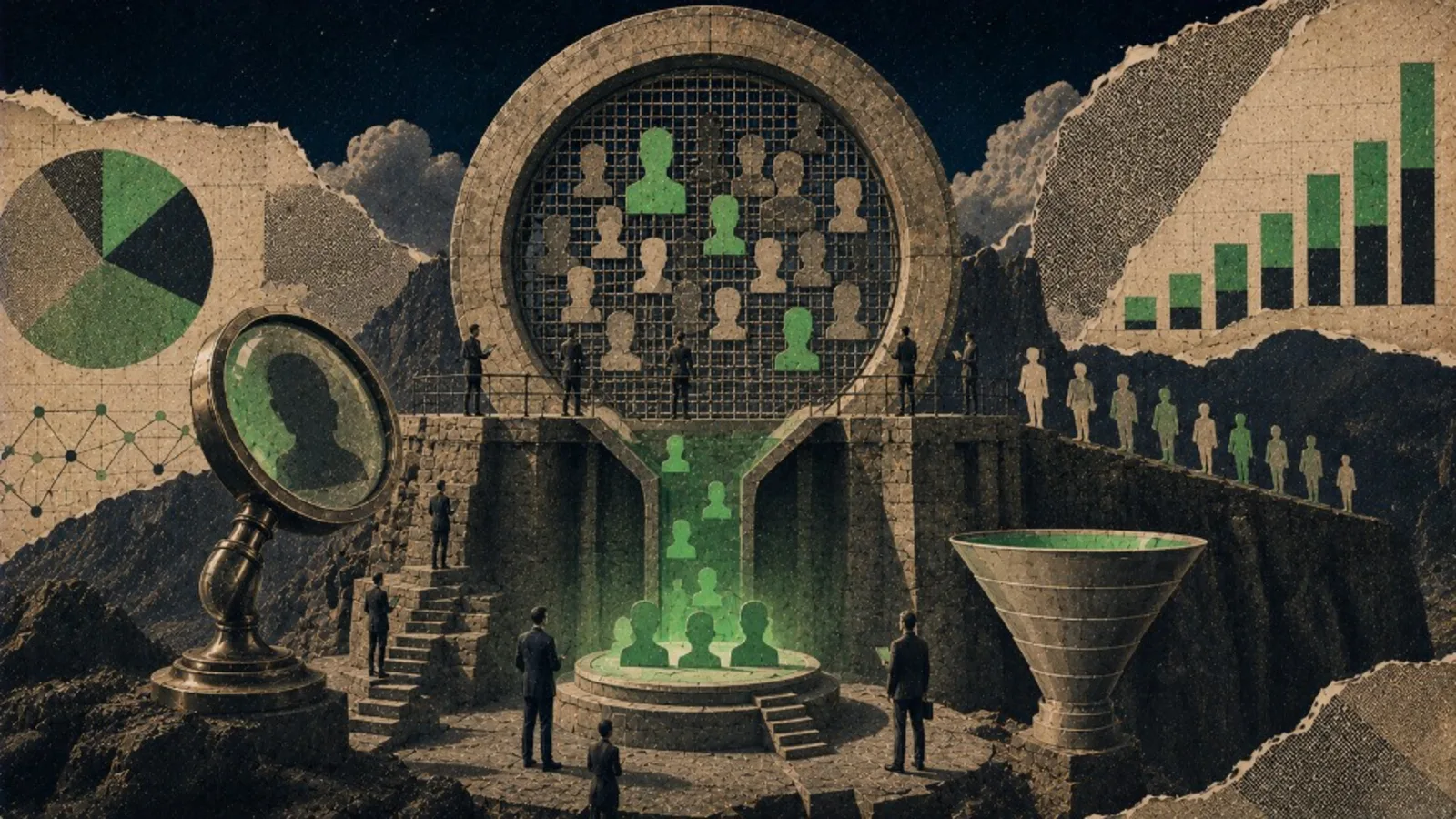
Creator marketing should extend the commercial process. Each funnel stage can use different content.
Discovery
Goal: make the problem visible. Examples: articles, videos, newsletters. Primary KPI: qualified clicks.
Consideration
Goal: educate and answer doubts. Examples: tutorials, comparisons, campaign playbooks. KPIs: time on page, demo requests.
Evaluation
Goal: reduce risk. Examples: demos, webinars, reviews. KPIs: trials, booked meetings.
Decision
Goal: support the purchase. Examples: illustrative models, testimonials. KPIs: customers, revenue.
Expansion
Goal: retain and grow. Examples: advanced content, product news. KPIs: retention, account expansion.
Rather than expecting a creator to close a sale, understand where in the process they create the most impact.
The metrics that really matter
Clicks still matter but do not tell the full story. SaaS companies should track indicators that reflect progress through the funnel.
Top of funnel
- Valid clicks.
- CPC.
- CTR.
- Time on page.
Middle of funnel
- Demo requests.
- Trials started.
- Form submissions.
- Qualified leads.
Bottom of funnel
- Trial-to-customer conversion.
- CAC.
- Attributed revenue.
- Retention.
- LTV.
Each metric answers a different question. Value emerges when analyzed together. Use campaign analytics and the ROI guide.
Why CPC should not be the only reference
Imagine two campaigns:
Campaign A: CPC €0.90 · 18 trials · 7% trial-to-customer · CAC €138. Campaign B: CPC €1.60 · 61 trials · 21% conversion · CAC €76. A looks more efficient at first—but B delivers customers at significantly lower cost.
SaaS campaigns should be judged on business impact—not click cost alone. Details in the CPC guide.
How to choose creators for SaaS
When selecting creators, look for specialization signals. Useful questions:
- Does the creator explain technical concepts?
- Does the audience ask relevant questions?
- Is there qualified engagement in comments?
- Does content solve concrete problems?
- Does the creator publish regularly about the sector?
Creator–audience fit tends to outperform reach alone.
Common mistakes
Chasing large audiences only
A bigger audience does not guarantee better results.
Measuring clicks only
SaaS campaign impact may appear weeks after first contact.
Ignoring CRM
Without marketing and sales integration, true campaign influence is hard to see.
Expecting immediate results
SaaS creator marketing is a medium- to long-term investment.
Checklist before launching a campaign
Before you start, confirm:
- ICP is clearly defined.
- Primary campaign objective is known.
- Metrics exist for each funnel stage.
- Tracking is configured.
- Marketing and sales share the same definition of success.
- There is a process to track results in CRM.
FAQ
- Does creator marketing work for B2B SaaS?
- Yes—when treated as education and demand generation, not advertising alone.
- Do LinkedIn Ads replace creators?
- No. They complement each other. Paid ads drive reach; creators add context, credibility, and trust through the decision process.
- How long until results show?
- It depends on sales cycle length. In many SaaS businesses, impact appears over several campaign cycles—not just the first weeks.
- Which KPI should I track first?
- Start with valid clicks, CPC, and qualified leads. As the program matures, add CAC, retention, and LTV.
SaaS creator marketing should not be judged by the same rules as e-commerce or consumer campaigns.
Integrated with marketing, sales, and CRM, it can educate prospects, generate qualified demand, and grow the commercial pipeline.
At Pharoll we believe creator marketing’s true value is not traffic alone—it is building trust, accelerating decisions, and delivering measurable outcomes across the full buying cycle.
Illustrative example: B2B SaaS playbook.